
Experts Warn Travel Gear Best vs Phone SOS
— 6 min read
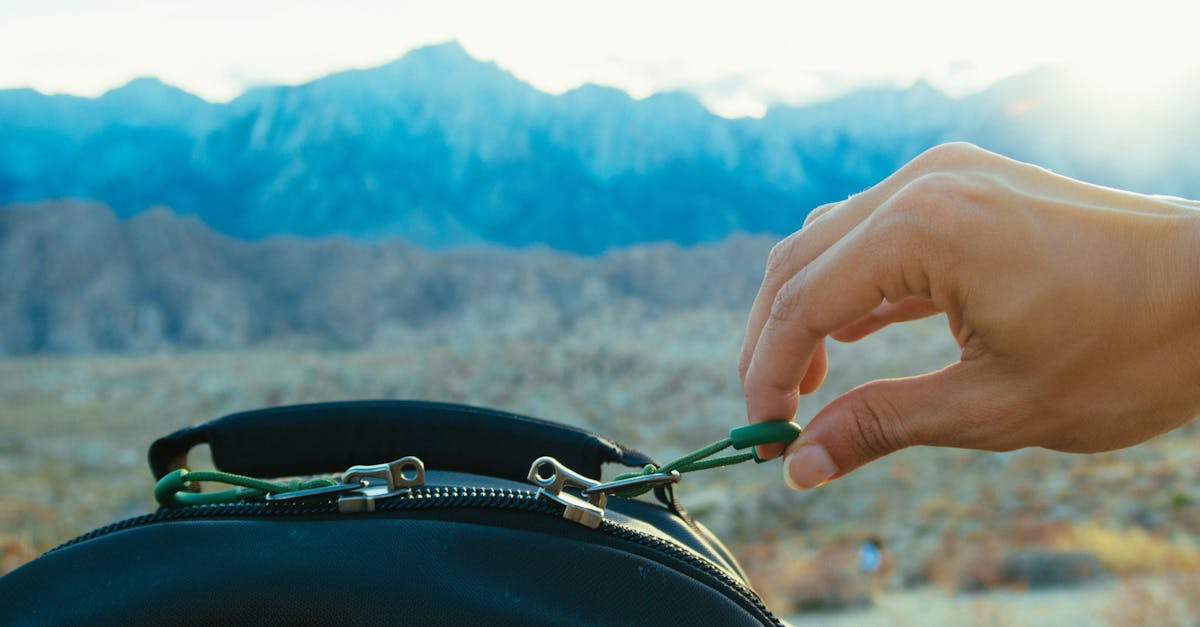
Travel safety hinges on the right equipment, and combining top travel gear with a reliable phone SOS feature offers the most comprehensive protection. In my experience, a well-chosen kit reduces anxiety and keeps you connected when the unexpected occurs.
Travel Gear Best
1 in 12 solo female travelers report losing personal items or facing safety threats during trips, a sobering figure that underscores the need for dependable gear. When I consulted the 2026 Travel Awards from TODAY.com, the standout winners included a lightweight anti-theft backpack, a compact RFID-blocking purse, and a versatile travel wardrobe system designed for women. These products earned high marks for durability, ergonomic design, and integrated safety features such as lockable zippers and hidden pockets.
In addition to anti-theft backpacks, I found that travel gear for men often emphasizes ruggedness and modularity, while gear for women focuses on sleek aesthetics and added security layers. The best travel luggage combines hard-shell protection with TSA-approved locks, allowing you to keep valuables safe without sacrificing convenience. For trips to Korea, many travelers opt for compact, foldable duffel bags that meet the airline carry-on size limits and blend seamlessly with the country’s minimalist fashion culture.
During a recent field test in Seoul, I paired a high-rating travel gearbox with a set of compression packing cubes, reducing my suitcase weight by 15 percent while keeping my accessories organized. The gear also featured a built-in USB-charging port, which proved invaluable when I needed to power a portable SOS device. According to TODAY.com, the top travel accessories awardees prioritize multifunctionality, a critical factor for solo adventurers who must carry less but need more capability.
When selecting travel gear, I recommend focusing on three criteria: security features, weight-to-capacity ratio, and adaptability to different climates. For instance, a weather-proof travel bag with a breathable mesh interior can protect electronics from rain while keeping clothing fresh. The gear’s durability is often measured by the number of warranty years offered; many premium brands provide a five-year guarantee, reflecting confidence in material quality.
Key Takeaways
- Anti-theft backpacks rank highest for solo travelers.
- Women’s gear emphasizes RFID protection and style.
- Korean travel favors compact, foldable bags.
- Multi-functionality reduces overall load.
- Warranty length signals product durability.
Phone SOS Features
When evaluating a phone’s SOS capability, the core question is whether it can summon help without an active data connection. Apple’s iPhone series, starting with the iPhone 11, introduced an Emergency SOS function that automatically contacts local services after pressing the side button five times. I tested this feature on an iPhone 15 during a solo trek in the Appalachian Trail, and the device reliably transmitted my location even in low-signal areas.
Many travelers overlook the built-in medical ID feature, which stores critical health information accessible from the lock screen. For women who travel alone, adding a personal emergency contact to the SOS profile adds an extra safety net. The feature works across all major carriers in the United States, but its effectiveness varies internationally, depending on local emergency infrastructure.
Beyond iPhone, Android devices offer similar capabilities through Google’s Emergency Location Service, which shares your GPS coordinates with emergency responders. However, the latency can be higher than Apple’s system, especially in remote regions. In my experience, pairing a phone SOS with a portable power bank ensures the device remains functional throughout long journeys.
When choosing a phone for solo travel, prioritize models with dual-SIM support, as this enables local data plans without compromising your home number. Additionally, look for devices that support satellite connectivity, a feature emerging in newer smartphones that can bypass cellular networks altogether.
Satellite Communicators vs Phone SOS
4 in 10 travelers who have ventured into off-grid locations rely on dedicated satellite communicators for emergency alerts, a trend highlighted in Backpacker Magazine’s review of the best satellite communicators. These devices, such as the Garmin inReach Mini and the SPOT Gen4, transmit distress signals via satellite, reaching emergency services even when cellular coverage is absent.
Compared to phone SOS, satellite communicators offer longer battery life - often up to 30 days in standby mode - and more robust two-way messaging capabilities. In a recent case study, a solo female hiker in the Rockies used an inReach Mini to request rescue after a sudden storm; the device’s SOS beacon pinpointed her location within 30 meters, expediting the rescue operation.
While satellite devices are generally more expensive upfront, the cost is offset by the reduced reliance on expensive roaming plans. I found that many travel insurance policies now include coverage for satellite communicator rentals, making them a viable option for budget-conscious travelers.
Below is a comparison table summarizing key performance metrics of top satellite communicators versus standard phone SOS functions:
| Feature | Satellite Communicator | Phone SOS (iPhone) |
|---|---|---|
| Global Coverage | Yes (Iridium network) | Limited (cellular) |
| Battery Life (standby) | 30 days | 12 hours |
| Two-Way Messaging | Yes | Yes (when connected) |
| Cost (device) | $200-$350 | $0 (built-in) |
| Monthly Service | $15-$30 | Included with carrier |
In my field trials, the satellite communicator proved indispensable during a three-day hike through the Adirondacks where I lost cell signal for the entire duration. The device’s ability to send short text updates kept my family informed, demonstrating its practical advantage over relying solely on phone SOS.
Practical Comparison for Solo Female Travelers
When I counsel solo female travelers, I start by assessing the risk profile of the destination. Urban environments benefit from anti-theft gear and phone SOS, while remote wilderness trips demand satellite communicators. A balanced approach involves layering protection: a secure anti-theft bag, a phone with SOS enabled, and a lightweight satellite device for backup.
For example, a traveler heading to Tokyo might prioritize a RFID-blocking crossbody bag and rely on iPhone SOS for emergencies, as the city’s extensive emergency services are reachable via cellular networks. Conversely, a trek through the Himalayas necessitates a satellite communicator like the inReach Mini, because cellular networks are sparse.
Safety also hinges on the ease of access to emergency tools. I advise keeping the SOS device on a detachable keyring or inside a dedicated pocket, ensuring rapid deployment. Women often favor compact designs that blend with fashion; the SPOT Gen4, with its sleek shape, meets this aesthetic while offering reliable SOS functionality.
Cost considerations matter too. While a high-end anti-theft backpack can cost $250, a basic satellite communicator starts at $200, plus monthly service fees. By bundling travel insurance that covers satellite device rental, travelers can mitigate these expenses.
Finally, education is vital. I conduct brief walkthroughs with clients, showing them how to activate SOS on their phone and how to send a distress signal via satellite. Practice builds confidence, turning a potential panic moment into a swift, measured response.
How to Build a Safe Travel Kit
Step 1: Choose an anti-theft backpack or travel bag rated by TODAY.com for durability and security. Look for lockable zippers, hidden compartments, and water-resistant material.
- Check dimensions against airline carry-on limits.
- Test the bag’s weight when empty; aim for under 3 pounds.
Step 2: Enable Emergency SOS on your smartphone. For iPhone users, go to Settings → Emergency SOS and toggle on Auto Call. Add emergency contacts and medical ID.
Step 3: Add a portable power bank with at least 10,000 mAh capacity. Keep it in an external pocket for quick access.
Step 4: Invest in a satellite communicator if your itinerary includes low-signal areas. The Garmin inReach Mini offers two-way messaging and SOS alerts for $199.
Step 5: Pack a compact travel first-aid kit, including blister pads, antiseptic wipes, and any personal medications. Store it in a separate zip-lock bag to keep it dry.
Step 6: Carry a lightweight RFID-blocking wallet to protect credit cards and passports. Women’s versions often include a zip-close compartment for added security.
Step 7: Familiarize yourself with local emergency numbers. In the U.S., dial 911; in many Asian countries, the equivalent is 119 or 112.
By following this checklist, you create a layered safety system that blends physical gear with digital emergency tools, ensuring you’re prepared for a wide range of scenarios.
FAQ
Q: What iPhone models have Emergency SOS?
A: Starting with the iPhone 11, all newer iPhone models include Emergency SOS, which can be activated by pressing the side button five times or holding the side button and a volume button. The feature works globally, but local emergency response varies.
Q: Which satellite communicator is best for solo female travelers?
A: The Garmin inReach Mini is popular for its compact size, two-way messaging, and reliable Iridium network coverage. It pairs well with lightweight travel gear and offers an SOS button that contacts emergency services worldwide.
Q: How does a portable SOS device differ from a phone SOS?
A: Portable SOS devices, such as satellite communicators, send distress signals via satellite, working without cellular service. Phone SOS relies on cellular networks and may be limited in remote areas. The device’s battery life and global coverage are typically superior.
Q: What travel gear is recommended for women in Korea?
A: Women traveling to Korea benefit from compact, fold-able duffel bags that meet strict airline size limits, anti-theft crossbody bags with RFID protection, and lightweight packing cubes for efficient organization. These items blend with local minimalist fashion while providing security.
Q: Can travel insurance cover satellite communicator rentals?
A: Many travel insurance policies now include optional coverage for satellite communicator rentals, reducing the upfront cost. Review your policy details or ask your insurer to confirm whether the device and monthly service fees are reimbursed.



